Your Liposuction Michigan Checklist Before Surgery Day
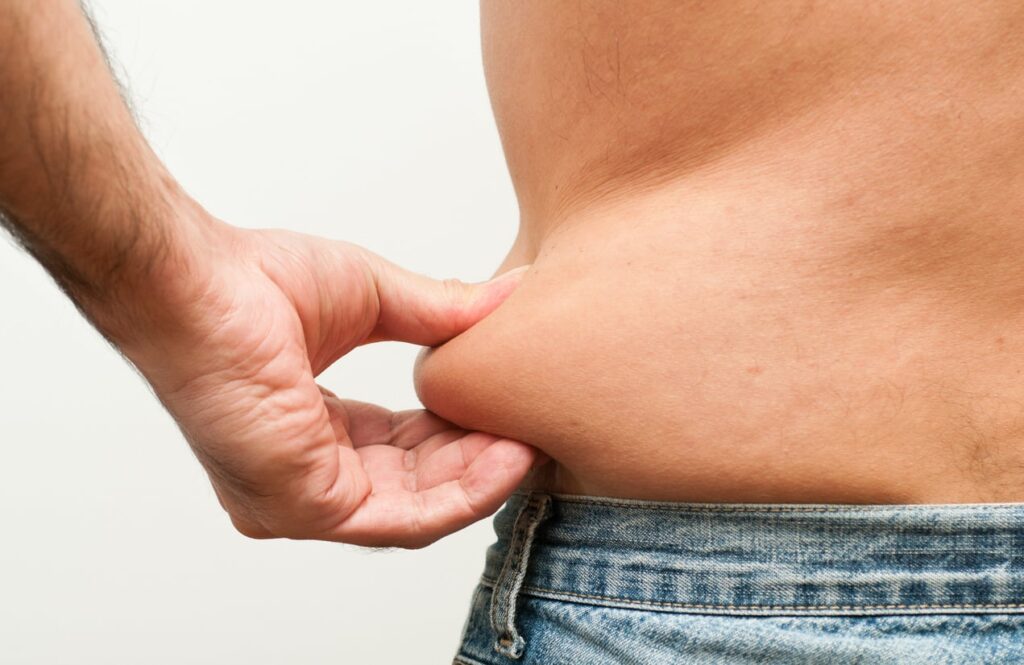


Choosing liposuction is rarely a snap decision. Most people sit with it for months, sometimes years, before they book a consultation. By the time surgery day is on the calendar, the emotional part often feels settled. The practical part is what catches people off guard.
That is where preparation matters. A smooth liposuction experience usually has less to do with nerves and more to do with logistics, timing, and realistic expectations. Patients who do well tend to ask the unglamorous questions early. Who is driving me home? What medications need to stop, and when? How much time off work is enough if my job keeps me on my feet? Do I have the right compression garment, or am I assuming the office provides everything?
If you are planning for Liposuction Michigan procedures, your checklist should account for the surgery itself and for the realities of recovery in this region. Weather, travel distance, winter road conditions, and even what you wear home from the surgery center can make a real difference. Michigan patients often commute from suburbs, smaller towns, or neighboring areas, so the plan has to work in real life, not just on paper.
Start with the right kind of consultation
Before you buy supplies or rearrange your calendar, make sure your consultation answers the questions that actually predict a good outcome. A strong consultation is specific. It should cover which areas are being treated, whether liposuction alone makes sense for your goals, what kind of anesthesia is planned, how much downtime is typical for your case, and what contour changes are realistic for your body.
This is also the point where patients sometimes hear something they were not expecting. Liposuction removes fat, but it does not tighten loose skin to the same degree many people imagine. If someone has skin laxity after weight loss, pregnancy, or aging, the discussion may shift toward a combined approach or a different procedure altogether. That can feel disappointing in the moment, but it is usually a sign of an honest surgeon. It is better to adjust the plan before surgery than to wake up with results that never matched your expectations.
Ask to see before and after examples for body types similar to yours, not just the best-case gallery images. Someone with a petite frame and isolated lower abdomen fullness is not a useful comparison if your concern is circumferential flanks with mild skin looseness. Good surgical planning lives in those details.
Confirm that you are medically and logistically ready
Even healthy patients can overlook issues that complicate surgery. A recent illness, a new medication, nicotine use, uncontrolled blood pressure, and significant weight fluctuation can all affect timing and healing. If your weight has changed dramatically in the last few months, many surgeons will prefer to wait until it stabilizes. Liposuction is best used for contouring, not as a shortcut during an active weight-loss phase.
The logistical side matters just as much. Think about your home setup, not just your health status. If your bedroom is upstairs, can you climb those stairs comfortably after surgery? Usually yes, but it is still worth planning. If you live alone, who will stay with you the first night if your surgeon requires it? If you have young children, how will you manage lifting restrictions? Parents often focus on work leave and forget that toddlers do not respect a recovery timeline.
For Liposuction Michigan patients in particular, transportation deserves extra thought. A twenty-minute ride home from a surgery center is one thing. A ninety-minute drive on icy roads in January is another. If surgery falls during winter, consider whether staying the first night near the surgical facility would reduce stress. That is not necessary for everyone, but it can be a smart choice if weather is unpredictable.
Know what to stop, and when
This is one of the most important parts of pre-op preparation, and one of the most misunderstood. Many people know to mention prescription medications, but they forget about supplements, over-the-counter pain relievers, herbal products, and occasional social habits.
Your surgeon and anesthesia team will give you instructions tailored to your health history, so follow their timeline over any general advice. What matters is that you disclose everything honestly. That includes nicotine in all forms, not just cigarettes. Vaping, cigars, nicotine gum, pouches, and patches can all affect blood flow and healing. The same goes for cannabis products, especially if they are used regularly. Patients sometimes hesitate to mention them, but anesthesia planning depends on accurate information.
Some products are especially common trouble spots:
- Aspirin, ibuprofen, and similar anti-inflammatory medications
- Fish oil, vitamin E, ginkgo, garlic supplements, and other products that may increase bleeding
- Nicotine products of any kind
- Alcohol in the days leading up to surgery if your team advises avoiding it
- Weight-loss medications or injectable medications that may affect anesthesia or stomach emptying
The timing varies. Some medications stop a few days before surgery, others a week or two. Never make assumptions, and never stop a prescribed medication without direct medical guidance. If you take blood thinners, diabetes medications, or blood pressure medication, your instructions need to come from the surgical team in coordination with the doctor who manages those conditions.
Build your recovery space before the procedure
A surprisingly large share of post-op stress comes from simple household oversights. People come home tired, sore, and compressed into a garment, then realize the water bottle is downstairs, the charger is across the room, the dog needs to be walked, and the fitted sweatpants they planned to wear home are impossible to pull on comfortably.
Set up your main recovery area the day before surgery. It does not need to be elaborate. It just needs to reduce effort. Keep water, medications, a phone charger, gauze or absorbent pads if instructed, and easy snacks within reach. If the treated area is the abdomen or flanks, many patients find it easier to rest in a slightly reclined position rather than lying flat. Extra pillows help. So does loose bedding that does not press tightly against sore areas.
If you have pets, arrange help. A large dog that jumps to greet you is not ideal the first day or two. If you have school-aged children, make rides and meals simple for at least several days. If you work from home, remember that sitting at a desk all day may still feel tiring sooner than expected.
This is also the time to think about clothing. The best post-op outfit is easy to get on and off, loose, soft, and weather appropriate. In Michigan, surgery in colder months means planning for warmth without anything restrictive at the waist or thighs if those areas are being treated. A zip-front hoodie, roomy sweatpants, slip-on shoes, and a coat that does not require awkward arm movement can save a lot of discomfort.
Do not underestimate compression garments
Compression is not glamorous, but it is a core part of the process. Your surgeon may provide the initial garment, ask you to purchase a specific one, or recommend a brand and style depending on the treatment area. Clarify this before surgery week. Do not assume the right garment will be easy to find locally at the last minute.
Fit matters. A garment that is too loose may not provide the intended support. One that is too tight can be miserable and may create unnecessary pressure. Patients often expect compression to feel sleek and supportive. In reality, it can feel snug, awkward, and at times annoying, especially when swelling peaks. That does not mean something is wrong, but it does mean you should know what normal discomfort looks like for your case.
Ask practical questions, not just medical ones. How many hours a day should it be worn? Can it come off for showering? When do you switch from the first-stage garment to a different one, if at all? How many should you own if laundering is frequent? These details shape daily life for the first weeks after surgery.
Prepare for drainage, swelling, and a body that looks worse before it looks better
This is one of the most important expectation-setting conversations in any liposuction practice. Right after surgery, and often for several weeks, you will not look like the final result. You will be swollen. You may feel firm, puffy, lumpy, bruised, or asymmetrical. Clothing can fit strangely during this phase. Patients who are not prepared for this often become anxious even when healing is progressing normally.
Fluid drainage can also surprise first-time patients. Depending on the technique used, some drainage from incision sites may be expected early on. It can stain pads, towels, or sheets if you are not ready for it. That does not mean something has gone wrong. It means you should ask the office what amount and duration are typical, and what crosses the line into a phone call.
A patient once described the first week after liposuction as emotionally confusing because she felt relieved the surgery was over, but disappointed that she looked bloated and bruised. By week three, her swelling had already started to soften. By a few months out, her contour looked dramatically different. That arc is common. Improvement is real, but it is rarely immediate.
Arrange your ride and your first 24 hours carefully
This seems obvious until people try to cut corners. If your facility requires a responsible adult to drive you home and stay with you, treat that as a medical instruction, not a suggestion. Do not plan to rideshare home alone. Do not assume a teenager can fill the role if the office requires an adult caregiver. Practices differ, but many are strict about discharge arrangements for good reason.
The first day is usually about hydration, rest, short walks around the house, and staying on top of medication timing. It is not the day to host visitors, answer work emails, or prove how Liposuction Michigan tough you are. Even highly independent patients often need more help than they expect with basic tasks such as getting in and out of bed comfortably, preparing meals, or adjusting garments.
If you live far from your surgeon, ask what to do if you have a concern after hours. Every patient should leave surgery knowing how to reach the office, what symptoms are expected, and which signs need urgent evaluation.
Plan your work leave around your actual job, not an optimistic guess
“How long will I be off work?” is a fair question, but the real answer depends on what work means for you. A remote desk job and a hospital nursing shift are not interchangeable. Neither are teaching kindergarten, running a salon, climbing ladders at a warehouse, or standing all day in retail.
Many people can return to light desk work sooner than they can return to physically demanding work, but “back at work” does not always mean fully comfortable or unrestricted. Swelling, fatigue, and garment use can affect concentration and stamina. If your job requires bending, lifting, squatting, twisting, or prolonged standing, build in more margin than you think you need.
This is especially important for self-employed patients. The temptation is to schedule surgery on a Thursday and be “basically fine” by Monday. Sometimes that works. Sometimes it turns into a rough week of overexertion, extra swelling, and unnecessary frustration. A conservative recovery plan Liposuction Michigan is often the cheaper plan in the long run.
Think through food, hydration, and constipation prevention
Patients tend to focus on the surgery and forget the very ordinary side effects of anesthesia, reduced activity, and pain medication. Nausea can happen. So can constipation. Neither is dramatic, but both can make the first few days much harder.
Keep food simple. Light, familiar meals are often best early on. Broth, toast, eggs, oatmeal, yogurt, fruit, rice, soup, and lean protein usually go over better than heavy takeout. Drink water steadily. If your surgeon allows electrolyte drinks, those can be helpful too. If prescription pain medication is part of your plan, ask whether a stool softener is recommended and when to start it. Patients who wait until they are already uncomfortable often wish they had handled it earlier.
Understand what your follow-up schedule is meant to catch
Follow-up visits are not just formalities. They allow your surgeon to monitor swelling, incision healing, contour development, and early signs of issues such as fluid collections or irritation from garments. Skipping appointments because you “feel okay” is not wise, especially in the first phase of recovery.
Before surgery, know when your first post-op visit is scheduled and whether you need someone to drive you. Also ask what photos, symptoms, or concerns the office wants you to report between visits. A good team would rather hear from you with a minor question than find out later that you sat on a fixable problem because you did not want to bother anyone.
The week-of-surgery checklist that keeps people out of trouble
There is a point, usually about three to five days before surgery, when the details stop feeling abstract. That is when a short, practical checklist earns its keep.
- Confirm your arrival time, location, fasting instructions, and who is driving you home
- Review exactly which medications and supplements you should stop or continue
- Pick up prescriptions and recovery supplies before surgery day
- Set out loose clothes, compression garments, and bedding you do not mind getting stained
- Clear your calendar for real rest, including child care, pet care, and work coverage
Notice what is not on that list. There is no last-minute crash diet, no marathon errand day, and no attempt to “push through” a cold or flu. If you become sick before surgery, call the office. It is frustrating to reschedule, but operating when you are not medically ready is worse.
If you are traveling within Michigan, add margin to every step
This point deserves its own section because it affects so many patients seeking Liposuction Michigan services. Travel changes the equation. If you are coming from Grand Rapids to metro Detroit, or from northern Michigan into a larger surgical market, every piece of the schedule needs backup room.
Leave early enough that traffic does not raise your blood pressure before check-in. If your surgery is early, consider staying nearby the night before rather than waking at 3:30 a.m. For a long drive. If your follow-up appointment is the next day, ask whether a hotel stay makes more sense than repeated long car rides. If weather is poor, do not improvise. Call the office and discuss options as soon as possible.
People often think of travel only in terms of getting to surgery. The return home can be harder. You are sore, tired, and swollen. Even minor bumps in the road feel more noticeable. Bring a small pillow for support if the treated area makes seatbelt pressure uncomfortable, but use it safely and follow your surgeon’s instructions.
Spend some time on the mental side of preparation
Body contouring is physical, but the lead-up to surgery often has an emotional charge that surprises even calm, practical people. Doubt can spike the night before surgery. So can guilt, especially in parents or caregivers who are not used to prioritizing themselves. That does not automatically mean the decision is wrong. It usually means it is important.
One useful exercise is to write down your actual goals in plain language. Not fantasy goals, actual ones. Maybe you want your waistline to fit clothing better. Maybe you are tired of a lower abdominal bulge that has not changed despite stable weight and exercise. Maybe you want more proportional contours after pregnancy. Keeping those goals grounded helps protect you from the emotional whiplash of early swelling and social media comparisons.
It also helps to decide in advance whose opinions matter. Everyone seems to know someone who had cosmetic surgery and wants to tell the story. Some stories are helpful. Many are not. Your case is not their case. Your surgeon’s instructions should outweigh group chats and online forums every time.
The final check before you leave for surgery
The morning of surgery should feel boring. That is the target. You should not be printing forms, searching for your ID, wondering if black coffee breaks fasting rules, or texting three different friends to find a ride. Calm comes from preparation, not personality.
If you have handled the details early, surgery day becomes straightforward. You check in, meet the team, review the plan, and focus on the procedure itself rather than everything around it. That shift matters. Patients who feel organized usually experience less avoidable stress, and recovery tends to start more smoothly because the basics are already covered.
Liposuction can be a very satisfying procedure when the right patient chooses it for the right reasons and prepares well. The contour changes take time to reveal themselves, but the groundwork happens before the first incision. A thoughtful checklist is not busywork. It is part of the outcome.
Aesthetic Plastic Surgery & Laser Center, Michelle Hardaway M.D.
27920 Orchard Lake Rd, Farmington Hills, MI 48334, United States
+1 248-221-1957
FAQ About Liposuction Michigan
Is 55 too old for liposuction?
Age 55 alone does not determine suitability. A surgeon evaluates overall health, skin quality, healing risks, and realistic goals. A personal consultation is needed to assess candidacy and discuss alternatives.
What happens 10 years after liposuction?
Contour improvements can last, especially with stable weight. Aging, pregnancy, and weight changes can alter the appearance over time. Results vary, and liposuction does not prevent future body changes.
Can lipo get rid of an apron belly?
Liposuction reduces localized fat but does not remove hanging excess skin. An apron belly may require assessment for a skin-removal procedure instead of, or alongside, fat removal. A qualified plastic surgeon can explain appropriate options and their risks.