What to Expect From Your Body Contouring Farmington Hills Journey

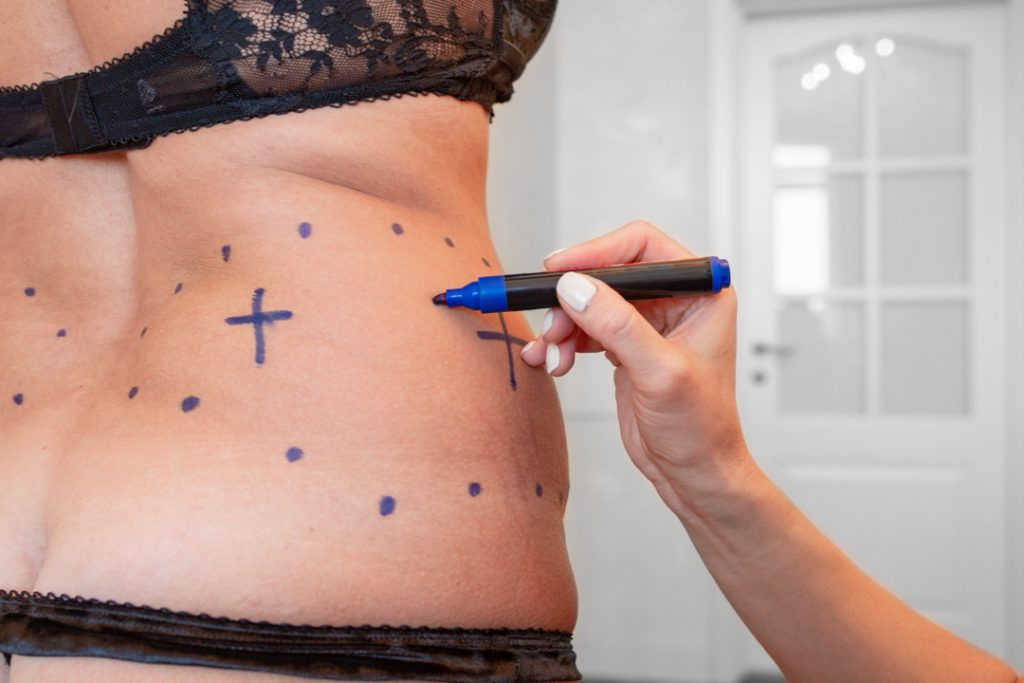

Body contouring draws people for different reasons. Some want to smooth out an area that never responded to diet and exercise. Others notice changes after pregnancy, weight loss, or simply the normal shift in muscle tone and fat distribution that comes with age. For many patients in and around Farmington Hills, the goal is not to look like someone else. It is to feel more comfortable in their own clothes, to see a silhouette that matches the effort they have already put into their health, and to address a feature that has been stubborn for years.
That difference matters. Body contouring is often misunderstood as a shortcut or a dramatic overnight fix. In real practice, it works best as a targeted enhancement. If you are considering Body Contouring Farmington Hills services, it helps to approach the process with clear expectations, patience, and a practical understanding of what treatment can and cannot do.
A good journey starts long before the first appointment. It starts with knowing what concerns you want to address, what results are realistic for your body, and what kind of recovery or maintenance you are willing to take on.
What body contouring usually means in practice
The phrase "body contouring" covers a broad category of treatments. Some are non-surgical and rely on technologies that target fat cells, tighten skin, or improve the appearance of certain areas without incisions. Others are minimally invasive or fully surgical procedures designed to remove fat, reshape the body, or deal with skin laxity more directly.
Most people asking about body contouring are trying to improve one or more of the following areas: abdomen, flanks, thighs, arms, back, under the chin, or buttocks. Sometimes the concern is localized fullness. Sometimes it is loose skin. Sometimes it is a combination, and that distinction is one of the first things a qualified provider needs to sort out.
This is where expectations often sharpen. Fat reduction and skin tightening are not the same thing. Muscle definition is another issue entirely. A patient may feel frustrated with a lower abdomen, for example, and assume the issue is only fat, when in reality the contour problem may involve mild skin laxity, posture, abdominal wall changes after pregnancy, or uneven fat distribution. The right treatment plan depends on identifying the real source of the concern.
Your first consultation should feel specific, not sales-driven
One of the easiest ways to judge the quality of a body contouring experience is by the consultation. A strong consultation does not feel rushed. It does not sound like a generic pitch. It should be tailored to your body, your goals, and your health history.
Expect the provider to ask about weight changes, pregnancies, previous procedures, medications, exercise habits, and any medical conditions that could affect healing or candidacy. You should also expect direct questions about what bothers you when you look in the mirror or try on clothes. Those details are not superficial. They help clarify whether your goal is smoother lines under fitted clothing, a smaller waist appearance, more visible definition, or better symmetry.
A thoughtful provider will examine the treatment area in standing and sometimes seated or flexed positions because the body changes with movement. They should discuss skin quality, pinchable fat, firmness, and whether your expectations line up with what the treatment can realistically deliver.
In Farmington Hills and nearby communities, many patients come in after reading about body contouring online and assume every treatment works the same way. It does not. Some non-invasive options may lead to gradual change over several weeks or months. Some require a series of sessions. Some work best for modest fat reduction in patients who are already near a stable weight. A responsible consultation makes those distinctions clear.
Who tends to be a good candidate
The best candidates are not necessarily the thinnest patients or the fittest patients. They are usually people with defined concerns, stable expectations, and a lifestyle that supports long-term results.
Body contouring often works best for someone who is already fairly close to their baseline or goal weight and has a persistent area that has not responded the way they hoped. If your weight has been fluctuating significantly, or if you are planning major changes such as pregnancy or substantial weight loss in the near future, timing matters. Results can shift if the body changes dramatically after treatment.
Skin quality also plays a big role. Younger skin often rebounds more easily, but age alone does not determine success. I have seen patients in their fifties and sixties do very well because their concerns were focused and their expectations were realistic. I have also seen younger patients disappointed because they expected a treatment for fat reduction to act like a skin tightening procedure.
Providers should be candid about these trade-offs. That honesty usually saves patients money, frustration, and unnecessary repeat sessions.
The emotional side is more common than people admit
Most people talk about body contouring in practical terms, but there is usually an emotional layer beneath it. A patient may say, "I just want to smooth this area," but what they often mean is, "I am tired of feeling distracted by this every time I get dressed." Another might say, "I work out all the time and my body still does not reflect it."
That emotional context does not make the goal vain or trivial. It makes it human. Still, it is important to keep your reasoning grounded. The healthiest motivation is usually wanting to feel more at ease in your own body, not chasing perfection or trying to meet someone else’s standard.
The patients who seem happiest with their results are often the ones who start with a measured mindset. They are not expecting a brand-new identity. They are hoping for refinement, proportional improvement, and relief from a feature that has felt out of step with the rest of their body.
How treatment planning usually unfolds
If you move forward after the consultation, the treatment plan should feel concrete. You should understand what area is being treated, how many sessions may be recommended, what kind of discomfort is typical, how long visible changes may take, and what limitations exist.
For non-surgical body contouring, many offices describe the process in stages because your body often needs time to process the changes triggered by treatment. You may not walk out looking dramatically different the same day. In fact, one of the most common surprises patients have is how gradual the visible change can be. Some notice subtle improvement within a few weeks, but fuller results often take longer.
For surgical contouring, expectations shift toward a more immediate structural change, but that comes with more downtime, more swelling, and a longer recovery arc. Even after surgery, the "final" result often emerges gradually as tissues settle.
A realistic provider will also explain that symmetry in the human body is never mathematically perfect. Improvement is the goal, not flawlessness.
What the appointment itself may feel like
The physical experience depends on the type of contouring you choose, but most patients want the same basic reassurance: How uncomfortable is this, really?
For non-invasive treatments, sensations vary. Some people describe cold, heat, pulling, pressure, tingling, or temporary numbness depending on the device and treatment area. Most tolerate the session well enough to read, listen to music, or talk during treatment. The most sensitive part is often not pain exactly, but the unfamiliar sensation and the anticipation beforehand.
For minimally invasive or surgical procedures, the setting and recovery demands are understandably different. There may be local anesthesia, sedation, compression garments, activity restrictions, and follow-up visits to monitor healing.
The provider should tell you in advance what you can do afterward. Can you return to work the same day? Exercise the next day? Expect swelling for a week, or longer? Those practical details affect whether the treatment actually fits your life.
One of the more useful questions patients can ask is not "Will it hurt?" But "What will the first seventy-two hours feel like?" That phrasing tends to get more honest, usable answers.
Why results are rarely instant
Marketing language can make body contouring sound deceptively simple. In actual patient care, visible change usually depends on biology, consistency, and time.
If the treatment targets fat cells non-surgically, your body still has to clear the affected cells. That process does not happen overnight. If the treatment aims to tighten skin or stimulate collagen, tissue remodeling takes time. If the procedure physically removes fat or reshapes tissue, swelling may temporarily hide the result you are eager to see.
This waiting period frustrates some patients, especially those who expected a dramatic before-and-after within days. The better approach is to think in phases. Early changes may be subtle. Midpoint changes often become easier to notice in clothing. Final contour refinement may take longer than you initially hoped.
Photos can help here. Many patients see themselves every day and miss gradual change. Standardized progress photos, taken in the same lighting and position, often tell a more accurate story than memory does.
The scale may not reflect what you see
This is worth emphasizing because it causes confusion all the time. Body contouring is not primarily about weight loss. It is about shape, proportion, and localized improvement.
A patient can feel noticeably better in pants or fitted dresses without seeing a large movement on the scale. That is especially true if the treatment area was modest to begin with. The scale is a blunt tool. It cannot tell you whether the waistline looks smoother, the lower abdomen protrudes less, or the flanks appear more balanced.
Patients who tie success only to pounds often overlook meaningful visual improvement. On the other hand, patients who expect a body contouring treatment to replace broad weight management are usually disappointed. Those are two different goals.
Recovery is often more about inconvenience than incapacity
For non-surgical options, recovery is typically light, but "light" does not mean nothing. Temporary redness, tenderness, swelling, numbness, or sensitivity can happen, depending on the treatment and area. Some patients feel normal immediately. Others feel mildly sore or oddly aware of the area for a few days or weeks.
For surgical contouring, recovery is more involved. Swelling may last longer than expected. Compression garments can be awkward. Sleep positions may need adjustment. Exercise often has to wait. The first week can feel less dramatic medically than it does logistically. It is the disruption to routine that catches people off guard.
A good provider prepares you for that reality. They also explain what is normal and what deserves a call. That distinction helps reduce anxiety after treatment.
Results depend on maintenance more than many people expect
One of the most important truths about Body Contouring Farmington Hills patients should hear is that treatment does not cancel out physiology. Your body still responds to age, hormones, muscle changes, and weight fluctuation.
If your weight remains relatively stable after treatment, results tend to hold more predictably. If you gain a significant amount of weight, body contours can shift again. That does not mean the treatment failed. It means the body remains dynamic.
Patients generally do best when contouring is part of a larger, steady routine. Hydration, sleep, resistance training, general activity, and nutrition quality still matter. The treatment may improve shape, but your daily habits influence how long and how well that improvement shows.
There is also a psychological maintenance component. Some patients become hyper-focused on tiny residual asymmetries after they improve the main concern. It helps to define success before treatment begins. If your original goal was to feel better in fitted clothing or reduce a persistent bulge, measure the result against that goal, not against an imagined perfect body.
Questions worth asking before you commit
A consultation should answer these clearly:
- Am I a strong candidate for this specific treatment, or just a possible one?
- Is my concern mainly fat, skin laxity, muscle separation, or a combination?
- How many sessions or what level of recovery should I realistically expect?
- When do most patients start noticing changes, and when do results usually peak?
- What happens if my result is modest rather than dramatic?
These questions tend to cut through vague promises. They also reveal whether the provider is comfortable discussing limits, not just benefits.
Red flags patients should take seriously
Most providers want good outcomes, but not every treatment recommendation is equally thoughtful. Watch for signs that the plan is being shaped around a package sale rather than your body.
A provider should be cautious if your goals do not fit the treatment. If they brush past obvious skin laxity and keep talking only about fat reduction, that is a concern. If they guarantee a specific inch loss, that is another concern. Bodies vary. Healing varies. A professional can discuss typical ranges or likely improvement, but certainty has limits here.
Pay attention to whether before-and-after photos resemble your body type and concern. A very fit patient with a tiny lower-belly pocket is not the same as someone dealing with more diffuse fullness and looser skin after major weight loss. Comparable examples matter.
The quality of follow-up matters too. Good contouring care is not just the treatment day. It includes monitoring progress, managing expectations, and deciding whether additional treatment would truly add value.
The Farmington Hills factor: choosing local care thoughtfully
If you are exploring Body Contouring Farmington Hills options, convenience is a real advantage. Follow-up is easier when care is local. So is the practical side of scheduling consultations, treatment sessions, and recovery support. But convenience should not outrank fit.
Look for a practice that communicates clearly and evaluates you carefully. The best local experiences often come from offices that take time with education and https://rentry.co/y8gc32e5 are willing to say no when a treatment is not ideal. That may not sound glamorous, but it is usually the mark of professional judgment.
Many patients find peace of mind in choosing a provider who understands the pace and priorities of suburban professional life. People want treatments that fit around work, family, and social commitments. That means timing, comfort, and realistic downtime are not side details. They are part of the treatment decision itself.
Preparing yourself for a smoother experience
Patients often focus so much on the treatment choice that they overlook preparation. A little planning can make the process feel much easier. Arrange your schedule realistically, especially if swelling, soreness, or compression garments are likely. Wear comfortable clothing to appointments. Follow instructions on hydration, medications, and activity restrictions carefully. And if you are the type who gets anxious, ask for a detailed walk-through of the appointment before the day arrives.
That last point helps more than people expect. Uncertainty often feels worse than the treatment itself. When patients know what the room setup will be like, how long the session will run, and what sensations are normal, they usually tolerate the process with far more ease.
It is also wise to think about your measuring stick for success before you begin. Maybe it is how your waistline looks in work pants. Maybe it is less fullness at the bra line. Maybe it is feeling better in photos on vacation. A clear benchmark makes it easier to judge the outcome fairly.
What a successful journey usually looks like
The most satisfying body contouring experiences are rarely the flashiest ones. They are the ones where the patient felt informed, chose an appropriate treatment, gave the process enough time, and saw improvement that matched the original goal.
Sometimes that success looks dramatic in photos. Sometimes it looks much quieter, a patient who says, "I stopped thinking about that area all the time." In practice, that kind of comment often says more than a dramatic reaction ever could.
Body contouring can be a worthwhile step when it is chosen thoughtfully. It can refine a shape you have worked hard for, address a stubborn area that has resisted every reasonable effort, and help your reflection feel more aligned with how you already live. The best journeys are built on clarity, not hype. They start with the right questions, proceed with realistic expectations, and end with improvement you can actually feel in daily life.
Aesthetic Plastic Surgery & Laser Center, Michelle Hardaway M.D.
Address: 27920 Orchard Lake Rd, Farmington Hills, MI 48334
Phone number: +12482211957
FAQ About Body Contouring Farmington Hills
What does body contouring actually do?
Body contouring (or body sculpting) eliminates stubborn localized fat, tightens loose, sagging skin, and reshapes your silhouette. It is not a weight-loss tool, but rather a cosmetic procedure used to refine and tone specific trouble spots after major weight loss, pregnancy, or aging.
How much does body contouring usually cost?
The total cost of body contouring usually ranges from $2,000 to $25,000+ depending entirely on whether you choose non-surgical sessions or major surgical procedures.
Because "body contouring" covers everything from simple fat-freezing to comprehensive post-weight-loss surgeries, pricing is heavily categorized by the method used.
What is the best type of body contouring?
Liposuction is a huge topic and worth discussing in more detail, but in terms of body contouring and sculpting, nothing does the job better than liposuction, particularly VASER liposuction.