What Makes a Good Candidate for Liposuction Farmington Hills?
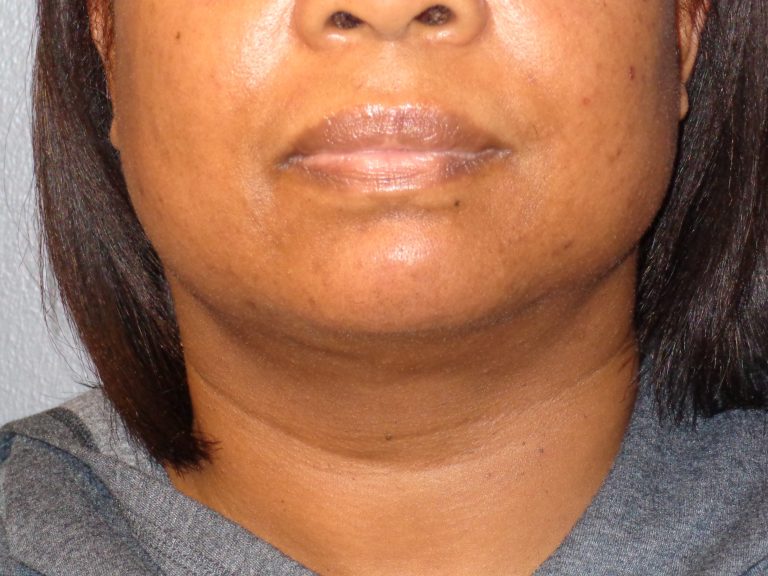
Body contouring can be transformative, but liposuction works best when expectations match reality and the procedure fits the patient, not the other way around. That point matters more than most people realize. Many adults eat well, exercise consistently, and still carry pockets of fat that do not respond the way they expected. Others are hoping for a dramatic change in overall body weight and assume liposuction is the answer. Those are two very different situations, and one is a much better fit for surgery than the other.
When people ask about Liposuction Farmington Hills, the first question is rarely about the technique. It is usually more personal: “Am I actually a good candidate?” A thoughtful answer goes beyond age, clothing size, or a number on the scale. It includes health, skin quality, lifestyle habits, goals, recovery capacity, and emotional readiness. Good candidacy is not about perfection. It is about whether liposuction is likely to produce a visible, satisfying, and safe result for that specific person.
Liposuction is a contouring procedure, not a weight-loss plan
The clearest starting point is understanding what liposuction does well. It removes localized fat deposits to improve shape and proportion. It is often used on the abdomen, flanks, thighs, hips, upper arms, back, under the chin, and sometimes the chest in men. It can refine an area that looks out of balance with the rest of the body. It can also help clothing fit better and make exercise results more visible.
What it does not do, at least not reliably, is solve obesity or replace the basic work of nutrition and activity. A patient who is looking to lose 40, 60, or 100 pounds is generally not looking for the benefit liposuction is designed to provide. Even if some weight is removed, the bigger issue is body contour and skin behavior afterward. If someone has a lot of excess weight, uneven fat distribution, or significant skin laxity, a different plan may make much more sense.
This distinction often surprises people. They imagine liposuction as a shortcut to becoming smaller overall. In practice, the strongest candidates are often already fairly close to their goal weight and are frustrated by one or two stubborn areas that stay put despite consistent effort.
The best candidates tend to be near a stable, healthy weight
A person does not need to be at an “ideal” weight to qualify, but being close to a maintainable baseline usually predicts better outcomes. Surgeons often look for patients whose weight has been stable for several months rather than fluctuating. Stability matters because liposuction is shaping the body you have now. If weight is still moving up and down, the final contour can shift as well.
A patient who has lost a substantial amount of weight recently may still be an excellent candidate, but timing matters. After a large weight loss, the body needs time to settle. Skin quality becomes a bigger part of the conversation, and some people are better served by procedures that remove excess skin rather than liposuction alone.
Think of it this way: liposuction can reduce fullness in a specific area, but it cannot tighten loose skin in the way many patients hope. If the issue is mostly Liposuction Farmington HIlls michellehardawaymd.com volume, liposuction can help. If the issue is hanging or crepey skin, the answer may be more complex.
Skin elasticity often determines whether the result looks smooth
This is one of the most overlooked parts of candidacy. Fat can be removed, but the skin still has to contract over the new shape. Younger patients often have an advantage here, though age alone is not the deciding factor. I have seen patients in their fifties with excellent elasticity and patients in their thirties with skin that behaves more like tissue that has been stretched for years.
Pregnancy, major weight changes, genetics, smoking history, sun damage, and natural aging all affect skin tone. If the skin has enough snap and support, the result tends to look cleaner and more refined. If it does not, liposuction can sometimes reveal laxity that was hidden by fullness.
This is where candid consultation matters. A good surgeon does not simply say yes because there is fat to remove. They examine pinch thickness, skin recoil, asymmetry, scars, underlying muscle tone, and the extent of cellulite or fibrous tissue. They also talk honestly about whether liposuction alone will look polished or whether it may leave a patient disappointed.
For example, the lower abdomen is a common concern. Two people can have the same amount of extra fat, but one has firm skin and the other has looseness after pregnancies or weight loss. The first person may do very well with liposuction. The second may see some improvement, but not the flatness or tightness they imagined. That difference is not minor. It can define whether surgery feels worthwhile.
Good overall health is not optional
The phrase “healthy enough for surgery” sounds vague, but in practice it is fairly concrete. Liposuction is still a surgical procedure. Even when performed in smaller areas and even when recovery is relatively straightforward, the body has to handle anesthesia, inflammation, fluid shifts, bruising, and healing.
A strong candidate generally has well-managed medical conditions or no major uncontrolled ones. Problems like poorly controlled diabetes, significant heart or lung disease, clotting disorders, active infections, or severe immune compromise can increase risk. That does not automatically rule someone out, but it does change the equation. Clearance from other physicians may be needed, and in some cases the safest choice is to postpone or avoid elective surgery.
Nicotine use deserves special attention. Smoking, vaping nicotine, and other nicotine products reduce blood flow and can interfere with healing. That matters with any surgery, including liposuction. People sometimes underestimate this because liposuction uses small incisions, but the internal healing still depends on healthy circulation. Surgeons who insist on stopping nicotine before and after surgery are not being difficult. They are protecting the result and reducing complications.
Emotional readiness is part of being a good candidate
This point rarely gets enough attention. The strongest candidates usually have clear, specific goals and a grounded sense of what surgery can and cannot do. They are not using liposuction to fix a collapsing sense of confidence, repair a relationship, or solve years of frustration with their body overnight.
That does not mean cosmetic surgery is shallow or that emotional motivation is irrelevant. Most people pursue it because appearance affects daily life in real ways. They may avoid fitted clothing, dread photos, or feel that one area never reflects the effort they put in. Those are reasonable motivations. The concern arises when expectations become absolute. If someone says, “I’ll finally be happy once this is done,” or expects every insecurity to disappear, the risk of disappointment rises sharply.
Recovery also requires patience. Swelling can last for weeks and sometimes months. Early irregularities are not uncommon. Compression garments can be uncomfortable. Results develop gradually. A patient who expects an immediate “after” on day five is likely to have a rough emotional experience, even if the long-term result is good.
Areas that often respond well to liposuction
Some body areas are especially well suited for liposuction because they tend to hold resistant fat in a predictable way. The most common examples include:
- Abdomen and flanks
- Outer and inner thighs
- Upper arms
- Back and bra-line fullness
- Submental area, meaning under the chin
Even here, results vary by anatomy. Under-chin liposuction, for instance, can be extremely satisfying in the right patient, especially when skin elasticity is decent and the issue is fullness rather than lax neck tissue. By contrast, upper arms can be trickier if the skin is loose. Removing volume without enough contraction may not create the sleek look someone wants.
This is why candidacy is area-specific, not just person-specific. Someone may be a great candidate for flank liposuction and a poor one for arms. The treatment plan should reflect that nuance.
When liposuction may not be the best choice
Not every body concern is a liposuction problem. In fact, some of the most disappointed cosmetic surgery patients are people who had the wrong procedure for the problem they were actually trying to fix.
Here are common situations where liposuction alone may not be ideal:
- Significant loose or hanging skin
- Large weight-loss goals that have not yet been reached
- Unrealistic expectations about perfection or instant results
- Uncontrolled medical issues or active nicotine use
- Poor willingness to follow recovery instructions
Consider abdominal fullness after multiple pregnancies. Some patients assume the bulge is all fat, when part of it may be muscle separation or loose skin. Liposuction can reduce fat, but it cannot repair separated abdominal muscles. In that scenario, a tummy tuck may address the concern more effectively. The same logic applies elsewhere. If the skin is the main issue, removing fat can leave the surface looking emptier rather than tighter.
Cellulite is another area of confusion. Liposuction is not a reliable cellulite treatment. It may improve contour in some patients, but it can also make dimpling more noticeable if expectations are not carefully managed.
Age matters less than tissue quality and health
People often ask if they are too old for liposuction. Chronological age is only one variable, and often not the most important one. A healthy 62-year-old with stable weight, good skin Liposuction Farmington HIlls quality, and realistic expectations may be a far better candidate than a 34-year-old who smokes, has major weight swings, and expects surgery to fix generalized dissatisfaction with their appearance.
That said, aging tissue can influence outcomes. The skin may contract less robustly. Bruising may last longer. Recovery can feel slower. None of that automatically disqualifies someone. It simply means planning should be honest and individualized.
The same goes for younger patients. Being in your twenties does not guarantee a great result if the concern is loose skin, underlying asymmetry, or poor candidacy for other reasons. A careful physical exam tells far more than a birth date.
A good candidate understands that recovery is part of the procedure
Many people think about the operating room and the final result, but not the stretch in between. Yet recovery behavior affects the outcome in a very practical way. Good candidates are willing to wear compression as directed, keep follow-up appointments, walk early to support circulation, limit strenuous activity until cleared, and tolerate swelling without panicking.
In real life, the best recoveries often happen in patients who planned ahead. They arranged help with children for a few days, cleared their work schedule appropriately, set up comfortable rest areas at home, and understood that “back to normal” can come in stages. A desk job may be manageable relatively soon for some, while workouts, lifting, or physically demanding jobs may need a longer pause.
There is also a subtle but important point here: patients who can take recovery seriously tend to protect their long-term result. Liposuction removes fat cells from treated areas, but remaining fat cells can still enlarge with future weight gain. A person who returns to stable habits usually keeps a more consistent contour. A person who treats surgery as a reset button and then abandons all structure may not.
Consultation quality can tell you a lot
A thorough consultation is often the best predictor of whether someone is being treated responsibly. When practices advertise Liposuction Farmington Hills, patients should pay close attention to the depth of evaluation, not just before-and-after photos or promotional language.
A strong consultation usually includes a detailed medical history, a physical exam of the target areas, a discussion of skin quality, a review of medications and supplements, and a realistic conversation about what result is achievable. Good surgeons also talk about risks plainly. They do not promise flawless symmetry, zero downtime, or “scarless” outcomes. They explain bruising, swelling, contour irregularities, the possibility of revision, and the limits of the procedure.
Patients should also expect some direct questions that may feel personal: Have you maintained your weight? Do you smoke or vape? What bothers you most? What result would feel successful? Are you prepared for recovery? Those questions are not sales tools. They are how candidacy gets clarified.
How body fat distribution influences candidacy
Not all fat behaves the same way. Some areas hold soft, mobile fat that responds well to suctioning. Other areas contain more fibrous tissue, which can be denser and less forgiving. Male chest tissue, upper back, and some flank areas can be more fibrous. Revision liposuction can also be more complex because scar tissue changes the plane of treatment.
This matters because patients sometimes compare themselves to a friend or online result without noticing how different their baseline anatomy is. Two people may both say they want a “snatched waist,” but one has favorable fat distribution and strong skin recoil while the other has broader bone structure, looser skin, or asymmetry. Liposuction can improve both, but not in identical ways.
That is one reason ethical surgeons avoid using a single ideal body shape as the benchmark. The goal is usually improved proportion, not turning one frame into another.
Practical signs you may be a strong candidate
Most strong candidates share several traits. They may not have all of them perfectly, but there is a recognizable pattern:
- You are close to a stable weight and not planning major weight loss
- You have one or more stubborn fat pockets that have not responded to lifestyle efforts
- Your skin still has reasonable elasticity in the treatment area
- You are healthy enough for elective surgery and willing to follow instructions
- You want improvement, not a fantasy version of perfection
That last point is worth emphasizing. The happiest patients are often the ones who wanted their body to look more balanced, not entirely different. They wanted the lower abdomen to project less in clothing, the flanks to fit a waistband better, or the jawline to look cleaner in photos. Specific goals are easier to meet than vague hopes of becoming a new person.
The role of honesty, both from the surgeon and the patient
Excellent liposuction outcomes start with honesty on both sides of the desk. The surgeon needs to say when a patient is a poor fit, when another procedure would work better, or when expectations need adjustment. The patient needs to be candid about health history, medications, supplements, nicotine use, prior procedures, and what they actually want.
Some of the hardest conversations in cosmetic surgery are also the most valuable. A patient may hear that liposuction can help, but only modestly. Or that the abdomen needs skin excision, not just fat removal. Or that now is not the right time because their weight is still dropping. Those answers can be disappointing in the moment, but they often prevent regret later.
The reverse is true too. When the fit is strong, the plan is clear, and the patient understands the process, liposuction can be one of the most satisfying body contouring procedures available. The changes are often subtle in measurements but significant in day-to-day life. Pants sit differently. A fitted dress stops catching on one area. The side profile looks more in line with the effort someone has already been putting in.
Finding the right fit in Farmington Hills
For anyone considering Liposuction Farmington Hills, the smartest next step is not chasing the lowest price or the most dramatic photo. It is scheduling a consultation with a qualified surgeon who evaluates candidacy carefully and speaks plainly. Liposuction works best when there is enough fat to contour, enough skin quality to redrape smoothly, and enough realism to appreciate improvement without demanding impossibility.
A good candidate is usually not the person looking for an escape from every body concern. It is the person whose health is stable, whose goals are focused, and whose anatomy supports a safe, meaningful contouring result. When those pieces line up, liposuction can do exactly what it is meant to do, refine shape, improve proportion, and bring stubborn areas into better balance with the rest of the body.
Aesthetic Plastic Surgery & Laser Center, Michelle Hardaway M.D.
27920 Orchard Lake Rd
Farmington Hills, MI 48334
(248) 221-1957
FAQ About Liposuction Farmington Hills
What disqualifies you from getting liposuction in Farmington Hills?
A surgeon may recommend postponing or avoiding liposuction if a health condition, medication, or nicotine use raises the risk of surgery or poor healing. A consultation is needed to assess your medical history and whether the procedure fits your goals.
Can liposuction remove 20 pounds?
Liposuction is a body contouring procedure for localized fat. It is not a weight loss treatment, and a specific number of pounds is not a safe or useful target. The surgeon determines how much can be removed safely for each patient.
What are the risks of liposuction?
Risks include infection, changes in sensation, uneven contours, and complications from anesthesia or blood clots. A plastic surgeon can explain which risks apply to you and what to expect during recovery.