Liposuction Michigan for Long-Term Body Contouring Goals
Body contouring tends to get discussed in short bursts, often around a wedding date, a beach trip, or the start of a new year. Real results, though, rarely fit that kind of rushed mindset. When patients ask about Liposuction Michigan options, the most productive conversations are usually not about dropping a clothing size by next month. They are about shaping areas that have stayed stubborn despite years of stable habits, and doing it in a way that still makes sense five or ten years from now.
That distinction matters. Liposuction is not a substitute for healthy weight management, and it is not the right answer for every body concern. It can, however, be very effective for long-term contouring when the goal is specific and realistic. The best outcomes tend to come from people who already understand their body patterns well. They know where they gain weight first, where they lose it last, and which pockets of fullness simply do not respond the way the rest of their body does.
Michigan patients often bring that practical attitude to consultations. They are less interested in hype and more interested in whether a procedure will fit real life: office jobs, school schedules, winter downtime, summer activities, and the desire to look better without looking overdone. That is a good starting point, because liposuction works best as a strategic procedure, not an emotional one.
What liposuction can realistically change
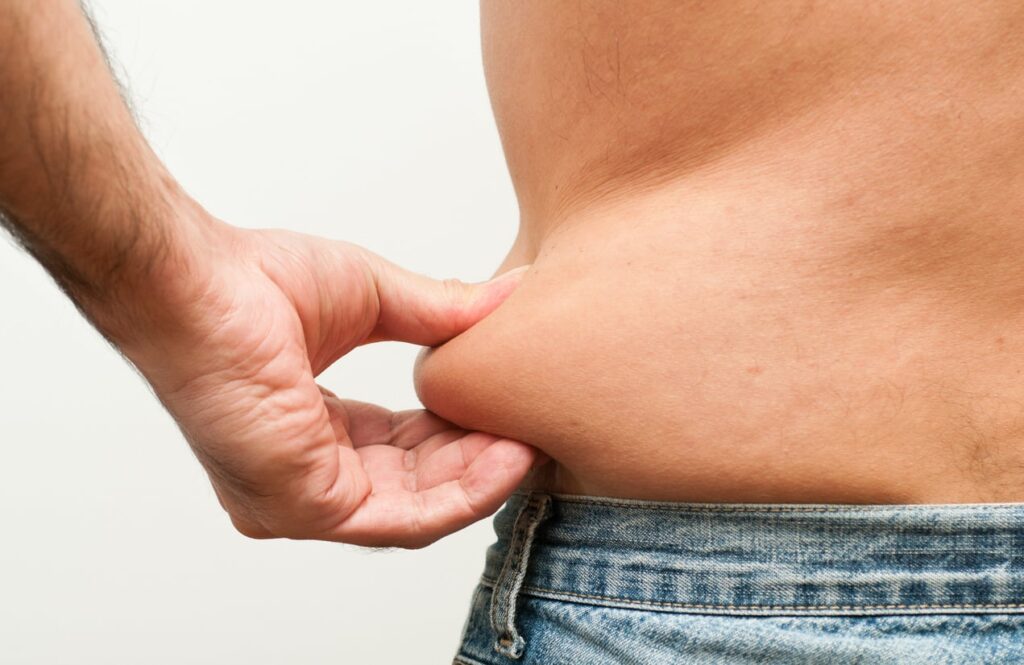
Liposuction removes localized fat deposits to improve shape and proportion. It does not tighten significantly loose skin, rebuild weakened abdominal muscles, or treat the broad health issues tied to excess weight. That may sound obvious, yet many disappointments start when those boundaries are blurred.
The classic areas remain common for a reason. The abdomen, flanks, outer thighs, inner thighs, upper arms, submental area beneath the chin, and back often respond well in properly selected patients. Sometimes the change is dramatic to the eye. More often, it is subtler but highly meaningful in day-to-day life. Pants sit better through the waist. A fitted top stops catching on one side of the bra line. The lower abdomen no longer projects in a way that feels out of step with the rest of the frame.
Long-term contouring is less about the raw number of pounds removed and more about balance. A person can lose only a modest volume and still look markedly different if the treatment improves proportion. I have seen cases where a patient expected a dramatic transformation from volume reduction alone, but the real win came from restoring cleaner lines through the waist and hips. Once swelling resolved, their body looked more coherent. That is often the more durable aesthetic gain.
The difference between weight loss and contouring
This is where judgment matters. Liposuction can make someone look slimmer, but it is not a primary weight loss tool. If a patient is still actively gaining and losing the same 20 or 30 pounds, surgery tends to enter unstable territory. The contour may improve, but the body remains in flux. When weight later climbs, fat distribution can shift in ways that blunt the original result.
The ideal long-term candidate is often someone who has maintained a fairly steady weight for months, sometimes longer, and has reached a point where progress has plateaued in a few stubborn areas. They have enough structure in place that their result is likely to hold. Stable routines matter more than perfection. No one needs a flawless diet or a five-day gym schedule to be a reasonable candidate. What matters is consistency.
There is also an emotional component that should not be dismissed. Patients who do best usually describe a specific frustration rather than broad dissatisfaction. “My lower abdomen has never matched the rest of me, even when I was running half marathons” is a different concern from “I just want to feel like a totally different person.” The first can often be approached with precision. The second usually needs more than a contouring procedure can offer.
Why patient selection drives long-term results
If there is one truth that holds across cosmetic surgery, it is this: a good operation on the wrong patient produces a mediocre outcome. For Liposuction Michigan consultations, candidacy often comes down to the interplay among skin quality, fat distribution, general health, and expectations.
Skin elasticity is especially important. Fat can be removed cleanly, but the overlying skin still has to contract to the new contour. Younger patients often have an advantage here, though age alone is not the deciding factor. I have seen patients in their forties and fifties with excellent skin tone and younger patients with laxity after major weight changes. Pregnancy history, stretch marks, genetics, sun exposure, and smoking all leave a mark on tissue behavior.
A few signs often point toward stronger candidacy:
- Weight has been relatively stable for at least several months.
- The concern is localized fullness rather than generalized obesity.
- Skin tone is good enough to contract after fat removal.
- The patient understands that liposuction improves shape, not every texture issue.
- Medical conditions are well controlled, and recovery logistics are realistic.
Those points are not a formula, but they frame the discussion well. A patient can miss one and still be appropriate. Another can meet all five and still need a different procedure if anatomy calls for it.
The Michigan factor: season, recovery, and lifestyle
Geography does not change surgical principles, but it does shape the recovery experience. In Michigan, timing becomes part of the strategy more often than people expect. Fall and winter are popular for body contouring because compression garments are easier to hide under layers, social calendars can be quieter after the holidays, and patients are less eager to jump into lakes, pools, or intense outdoor activities immediately.
There is also a practical comfort factor. Recovering in a compression garment during a humid July week feels very different from wearing one in October. That does not make summer surgery a mistake, but it is worth discussing honestly. The best procedure date is not just the first opening on a schedule. It is the date that works with childcare, travel, work demands, and the patient’s actual tolerance for downtime.
Michigan patients also tend to think seasonally about fitness. Some become highly active in spring and summer, then struggle with consistency in winter. Others prefer indoor routines and do better with surgery timed around colder months so they can resume gym habits gradually before the warm-weather season. There is no universal rule here. The point is that long-term contouring should be timed to support the patient’s lifestyle rather than interrupt it at the worst possible moment.
Technique matters, but planning matters more
Patients understandably ask about the type of liposuction being used. Terms vary by practice and technology, but the basics remain recognizable: suction-assisted techniques, power-assisted methods, and device-assisted approaches that may use ultrasound, laser, or other forms of energy in selected cases. These differences can affect efficiency, precision, and in some settings tissue behavior. Still, the larger driver of outcome is often not the machine. It is the surgical plan.
How much should come from the upper abdomen versus the lower abdomen? Should the flanks be treated at the same time to avoid leaving the waist looking boxy? Is the inner thigh fullness truly fat, or is skin laxity the more visible issue? Is chin fullness isolated, or will neck skin quality limit the visible benefit?
These decisions separate routine fat removal from thoughtful body contouring. Over-resection can leave hollows or irregular transitions. Under-resection can leave the patient looking unchanged after weeks of recovery. Good contouring lives in the middle ground, where enough is removed to create a visible change without fighting the natural architecture of the body.
That is why it helps when a surgeon talks in terms of proportion and transition zones, not just volume. Bodies are not built in isolated circles. The hip blends into the flank, the lower abdomen into the pubic area, the upper arm into the axilla. A result that looks natural from the front can still feel off in profile if those relationships were not considered.
When liposuction alone is enough, and when it is not
One of the more important consultation moments comes when a patient learns that liposuction is either exactly right for their concern or only part of the answer. This is especially true after pregnancy or major weight loss.
Take the abdomen. If someone has localized fat with decent skin tone and no major muscle separation, liposuction alone may be enough to sharpen the contour. If the skin is loose, stretched, or drapes over the lower abdomen, suction alone may flatten the area somewhat but can leave laxity more visible afterward. In that situation, the patient may be better served by an abdominoplasty or a combined approach, depending on anatomy and goals.
The same principle applies elsewhere. Upper arms with soft fullness but strong elasticity may contour nicely with liposuction. Arms with pronounced looseness often need excisional tightening if the patient wants a smoother silhouette. Under the chin, mild to moderate fullness may improve well with liposuction if skin can retract. Heavier necks or older tissues may call for a broader neck contouring plan.
This is where honesty is more valuable than optimism. Short-term salesmanship can create long-term dissatisfaction. Patients rarely regret being told the truth up front, even when it means hearing that the easier procedure is not the one that will best match their goal.
Recovery is not instant, even when the procedure is outpatient
One of the most common misconceptions is that because liposuction is often performed on an outpatient basis, recovery must be easy. It is manageable for most healthy patients, but it is still surgery. You can expect soreness, drainage in the early phase, swelling, bruising, and fluctuations in shape before the final contour settles.
Most patients are moving around the same day and back to light activity fairly quickly, often within days. Desk work may resume sooner than physically demanding jobs. Exercise usually returns in stages rather than all at once. Exact timing depends on treatment areas, volume, and the surgeon’s protocol.
The more important point for long-term planning is that results unfold slowly. Early swelling can obscure the shape. Some areas soften and settle faster than others. Small asymmetries that appear at two weeks may resolve by two months. The final contour often reveals itself over several months, not several days.
That delay can be difficult for patients who are used to immediate feedback from diet or exercise changes. It helps to go into surgery expecting a process. Compression garments, walking, hydration, reasonable sodium intake, and patience all matter. So does avoiding the trap of scrutinizing every minor contour change under bathroom lighting during the first few weeks.
What tends to preserve results over time
The fat cells removed during liposuction are gone. That is true. It is also true that the body can still gain weight in the remaining fat cells, and it can do so in treated and untreated areas. Long-term success depends less on the procedure itself than on what happens after healing.
Patients who keep their results usually do not follow extreme regimens. They tend to settle into sustainable routines. They maintain a stable weight range. They address hormonal or metabolic issues through their medical team when needed. They do not assume surgery gave them immunity from weight gain.
A realistic maintenance mindset usually includes a few habits:
- Keep weight fluctuations modest rather than cycling through large swings.
- Return to regular movement as soon as cleared, then stay consistent.
- Treat nutrition as a long game, not a short cleanse.
- Attend follow-up visits so small concerns are addressed early.
- Reassess goals honestly if life events, pregnancy, or major weight change alter the contour later.
That last point deserves more attention than it gets. Bodies change. A patient may have excellent results for years, then go through menopause, a medication change, or a pregnancy that redistributes weight and soft tissue. That does not mean the original surgery failed. It means body contouring exists within the larger arc of biology and life. Good planning respects that from the start.
Risks, trade-offs, and the issues patients should actually ask about
Every surgical decision involves trade-offs. Liposuction has a strong safety record in appropriate hands, but it is still a real procedure with real risks. These can include contour irregularities, asymmetry, prolonged swelling, numbness, seroma, pigment changes, poor skin contraction, infection, and complications related to anesthesia or healing. Smokers and patients with certain medical conditions face added concerns.
For many patients, the more relevant trade-offs are aesthetic rather than dramatic. Is it worth accepting a few weeks of restricted activity for a better long-term waistline? Is a modest but meaningful improvement enough, or is the expectation so high that anything less will feel disappointing? Would combining procedures increase efficiency, or would it create too much recovery burden at once?
A strong consultation should leave room for those nuances. It should also welcome specific questions. Some of the most useful ones are not glamorous:
How often do you perform liposuction in the areas I want treated? Based on my skin quality, what kind of contraction do you realistically expect? If liposuction alone leaves looseness more visible, what would that look like on someone like me? How long before I can work, drive, lift children, and exercise comfortably? If I gain ten or fifteen pounds later, how might my result change?
Those questions tend to lead to practical answers. They also reveal whether the surgeon is thinking beyond the operating day.
Reading before-and-after photos with a critical eye
Patients often look at galleries the way they shop for clothes, quickly and emotionally. A better approach is slower and more analytical. Look for patients with body types similar to yours, not just the most dramatic transformations. Notice whether the lighting, posture, and garment choice are comparable. Pay attention to side views and three-quarter views, because body contouring often shows itself best there.
It also helps to focus on quality rather than perfection. The best results usually look balanced and believable, not aggressively sculpted into unnatural hollows. An abdomen should fit the rest of the torso. Thighs should move naturally into the hips. A neck should look cleaner without appearing over-tight.
If every result in a gallery looks extremely lean, but your starting point is more moderate or your skin quality is different, that mismatch should be discussed. Good surgeons do not resent those conversations. They prefer them, because aligned expectations are one of the strongest predictors of satisfaction.
Cost, value, and why the cheapest option often ages poorly
Cost always matters, and pretending otherwise does not help anyone. Liposuction pricing varies based on the number of areas treated, surgical facility fees, anesthesia, geographic market, and whether additional contouring work is involved. Michigan patients often compare quotes across practices, which is understandable. The caution is that price alone does not capture the full value equation.
A lower fee can become expensive if the result is underwhelming, irregular, or requires revision. On the other hand, the highest quote is not automatically the wisest choice either. Value tends to sit where experience, judgment, communication, safety standards, and a coherent treatment plan Liposuction Michigan meet.
Long-term body contouring is a poor place to shop purely by promotion. A discount may feel compelling in the moment, but revision surgery is almost always more complicated than getting it right the first time. If a consultation feels rushed, the plan seems vague, or the discussion centers more on urgency than anatomy, that is worth noticing.
The patients who tend to be happiest years later
The happiest long-term liposuction patients are usually not the ones who chased perfection. They are the ones who wanted alignment between how their body felt and how it looked. They wanted their effort reflected more accurately in their shape. They chose surgery at a stable point in life. They accepted recovery as part of the process. They understood that contour improvement, not bodily reinvention, was the goal.
That mindset is especially useful when considering Liposuction Michigan practices, because regional convenience should never replace fit. The right surgeon is not simply nearby. The right surgeon is someone whose judgment matches your anatomy and your priorities, who can explain where liposuction helps, where it does not, and how to protect the result over time.
For patients with long-term body contouring goals, that is the real measure of success. Not whether the procedure delivered a quick before-and-after reveal for social media, but whether years later they still feel that their silhouette makes more sense, their clothing fits with less frustration, and the decision continues to hold up under ordinary life.
Aesthetic Plastic Surgery & Laser Center, Michelle Hardaway M.D.
27920 Orchard Lake Rd, Farmington Hills, MI 48334, United States
+1 248-221-1957
FAQ About Liposuction Michigan
Is 55 too old for liposuction?
Age 55 alone does not determine suitability. A surgeon evaluates overall health, skin quality, healing risks, and realistic goals. A personal consultation is needed to assess candidacy and discuss alternatives.
What happens 10 years after liposuction?
Contour improvements can last, especially with stable weight. Aging, pregnancy, and weight changes can alter the appearance over time. Results vary, and liposuction does not prevent future body changes.
Can lipo get rid of an apron belly?
Liposuction reduces localized fat but does not remove hanging excess skin. An apron belly may require assessment for a skin-removal procedure instead of, or alongside, fat removal. A qualified plastic surgeon can explain appropriate options and their risks.