Liposuction Farmington Hills: How to Start Your Body Contouring Journey
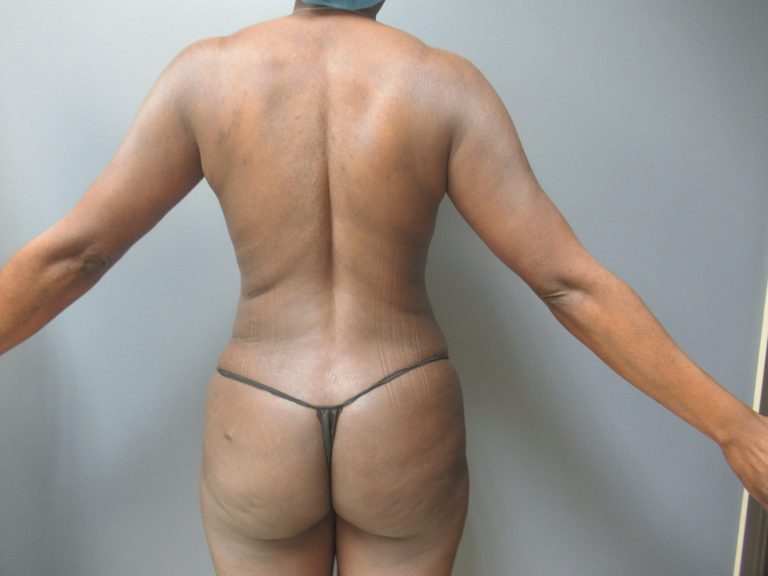
Body contouring tends to enter the conversation at a very specific moment. It is usually not when someone first notices a little fullness at the waist or a stubborn pocket on the outer thighs. It happens later, after the gym routine has become consistent, after meals have improved, after the scale has moved, and yet certain areas still seem unmoved by effort. That is where liposuction often becomes relevant, not as a substitute for health habits, but as a tool for reshaping areas that resist them.
For people researching Liposuction Farmington Hills, the first challenge is not the procedure itself. It is figuring out where to begin. There is a lot of noise around cosmetic treatment, and much of it skips over the practical questions that actually matter. Who is a good candidate? What can liposuction realistically change? How much recovery should you plan for? What separates a thoughtful consultation from a sales appointment?
Starting well matters. Patients who have the best experiences usually do not begin by chasing an idealized before-and-after photo. They begin by understanding their anatomy, their goals, and the limits of the procedure. That process leads to better decisions and, just as important, more satisfying results.
The first thing to understand about liposuction
Liposuction removes localized fat deposits to improve contour. It does not tighten significantly loose skin, and it is not a treatment for obesity. That distinction sounds simple, but it explains why one person can be thrilled with the outcome while another, with similar weight and measurements, may be disappointed.
A patient with firm skin elasticity and a concentrated area of fullness in the lower abdomen can see a very clean result. Another patient with thin, crepey skin and diffuse laxity in the same area may still look smoother after surgery, but not necessarily tighter. That difference is not about technique alone. It is about tissue behavior.
Most experienced surgeons evaluate three things before they even discuss how much fat might be removed: the quality of the skin, the thickness and distribution of the fat layer, and the underlying frame. Bone structure, muscle tone, and previous weight changes all affect what is possible. Someone with a naturally square waist can absolutely improve contour, but they should not expect the same shape as a person with a narrower rib cage and pelvis. Good planning starts with that level of honesty.
Why people in Farmington Hills often consider body contouring
In suburban communities like Farmington Hills, many liposuction patients are balancing careers, family schedules, and long-standing health goals. They are often not looking for dramatic transformation in the social media sense. They want their body to match the effort they are already putting in. They want clothing to fit more predictably, less fullness through the midsection, or better definition in areas that have remained unchanged for years.
The most common concerns tend to be practical and specific. A man may want reduction in the flanks after getting his weight under control. A woman after pregnancy may be frustrated by persistent fullness in the lower abdomen and waistline even after returning to exercise. Another patient may be close to goal weight but bothered by heavy inner thighs that rub in fitted clothing. These are not vanity in the trivial sense. They are quality-of-life concerns, and when approached thoughtfully, they can be addressed effectively.
Common treatment areas and what each one tends to involve
The abdomen and flanks are probably the most frequently requested areas, and for good reason. Even modest fat reduction there can change the way the torso looks in nearly every outfit. It can also make the waistline appear more defined from the front and smoother from the side. That said, the abdomen often reveals the biggest gap between expectation and anatomy. If there is skin looseness, muscle separation from pregnancy, or a lower abdominal overhang, liposuction alone may not be the ideal answer.
The thighs are another high-interest area, but they require nuance. Outer thigh reduction can soften saddlebags and improve the hip line. Inner thigh liposuction can reduce rubbing and create a narrower silhouette. Yet over-resection in the thighs is a classic mistake. Too much removal can create contour irregularities, visible waviness, or a deflated look that becomes more obvious over time.
The arms can respond beautifully in the right patient, especially when the issue is fullness rather than hanging skin. Chin and neck liposuction can also deliver surprisingly strong visual change with relatively small volume removal, particularly in patients with decent skin recoil. In that area, even a few millimeters of improved contour can sharpen the jawline and make the neck look longer.
Back and bra-line liposuction is another area patients often overlook until they see how much it affects fit in tailored clothing. These zones can be stubborn, especially after weight fluctuations. Treated well, they can make the torso look more streamlined without anyone necessarily identifying why.
Are you actually a good candidate?
This is where a reliable consultation should feel more like a medical assessment than a sales pitch. The best candidates for liposuction are generally healthy adults Liposuction Farmington HIlls near a stable weight who have localized fat deposits and realistic expectations. “Near a stable weight” does not mean one magic number. In practice, it means your body has settled into a range you can maintain, rather than being in the middle of active weight loss or gain.
Skin quality matters almost as much as the fat itself. Younger patients often have better skin recoil, but age alone is not the determining factor. I have seen patients in their fifties with excellent elasticity and patients in their thirties with substantial looseness after major weight loss or pregnancy. Tobacco use, sun exposure, genetics, and the history of stretching all play a role.
There is also the emotional side of candidacy, which gets less attention than it should. A good candidate is not someone trying to solve a broad self-esteem problem with a procedure. It is someone with a defined physical concern and a grounded sense of what improvement would mean. Liposuction can refine. It cannot repair a turbulent relationship with your body all by itself.
What to bring into your consultation
Preparation changes the quality of the conversation. Patients often get more useful guidance when they arrive with a clear picture of their priorities rather than a vague request to “look better.”
Here is a short consultation checklist:
- Know the areas that bother you most, and rank them in order.
- Bring a brief history of major weight changes, pregnancies, or prior surgeries.
- Be ready to discuss medications, supplements, nicotine use, and medical conditions.
- Wear or describe the types of clothing that fit poorly because of the concern.
- Prepare a few questions about recovery, scarring, and whether skin tightening may also be needed.
That last point matters more than people expect. Patients often come in focused only on fat removal, when the more important issue is whether the skin will redrape well afterward. If it will not, the best surgeon should say so plainly.
The consultation should feel specific, not generic
A worthwhile consultation for Liposuction Farmington Hills should include a physical exam, a discussion of goals, a review of your health history, and an honest explanation of the likely trade-offs. You should hear not only what can be improved, but also what may remain. If a surgeon thinks another procedure, or no procedure at all, would serve you better, that is usually a good sign.
During the exam, surgeons often pinch the tissue to estimate thickness, assess asymmetries, and evaluate skin recoil. They may point out features you have not noticed, such as one hip sitting slightly higher than the other, or a natural difference in fat distribution from left to right. Those observations are not nitpicking. They are important because surgery cannot erase every asymmetry that already exists in the body.
This is also the time to discuss technique, anesthesia, where the procedure would take place, and the expected recovery period. Most patients are less anxious once the unknowns become concrete. “You will likely be up walking that evening, sore for several days, noticeably swollen for weeks, and gradually more defined over a few months” is far more useful than a vague promise of a quick bounce-back.
Understanding the procedure without the hype
Liposuction techniques have evolved, but the principles remain the same. Small incisions are used to insert a thin cannula that loosens and removes fat. Depending on the case, the surgeon may use tumescent fluid to reduce bleeding and improve comfort, along with power-assisted or ultrasound-assisted methods in selected areas. Patients do not need to become experts in device names. What matters is whether the surgeon uses a method appropriate for your tissue and goals.
A smaller area such as the neck or arms may be treated relatively quickly. Circumferential torso contouring, by contrast, is a more substantial procedure that requires more planning, more postoperative support, and a longer visual settling period. Not all liposuction is created equal, and it is wise to be cautious of anyone who talks about every case as if it were equally simple.
There is also a common misunderstanding about volume. More fat removed does not automatically mean a better result. In fact, aggressive removal can create surface irregularities, prolonged swelling, and unnatural transitions between treated and untreated areas. Skilled liposuction is often about restraint. The goal is contour, not emptiness.
What recovery actually feels like
The first few days are usually defined more by soreness and stiffness than by sharp pain. Patients often describe it as an intense bruised or post-workout feeling, especially in the abdomen, flanks, or thighs. Compression garments are commonly worn to help manage swelling and support the tissues as they heal. They are not glamorous, but they make a difference.
Drainage from the tiny incision sites can happen early on, particularly with tumescent technique. Swelling is expected, and it lasts longer than many people anticipate. This is one of the biggest emotional stumbling blocks after surgery. A patient may look puffier before looking slimmer, or notice that one side seems more swollen than the other in the first couple of weeks. None of that automatically signals a problem.
Walking starts early, usually the same day, because movement helps circulation and lowers the risk of complications. More strenuous exercise comes later, based on the surgeon’s guidance and the extent of treatment. Desk work may be manageable within several days for some people, while jobs involving lifting, bending, or long hours on foot may require more downtime.
The visible payoff unfolds gradually. Early improvement is often hidden under swelling. By several weeks, shape starts to declare itself more clearly. Final refinement can take a few months, and in some areas even longer, especially when larger-volume treatment has been done. Patients who understand that timeline ahead of time tend to handle recovery with far less stress.
The trade-offs no one should ignore
Every cosmetic procedure involves compromise. Liposuction scars are small, but they are still scars. They typically fade well, though healing varies by skin type and placement. Swelling can linger. Numbness or altered sensation may last for weeks or months. Small asymmetries can persist even after excellent surgery because human bodies are not symmetrical to begin with.
There are also limits imposed by the tissue itself. If skin is lax, removing fat may reveal the looseness more clearly. If cellulite is present, liposuction may not improve it much and can occasionally make texture more visible, depending on the area. Patients are often surprised by that, because they assume less fat means smoother skin. Sometimes it does. Sometimes the skin quality becomes the dominant issue.
A good surgeon will talk through those realities without being alarmist. The point is not to discourage treatment. It is to make sure your expectations are aligned with what the procedure can reliably deliver.
Questions worth asking before you commit
Many patients focus almost entirely on price, which is understandable, but the better filter is value combined with safety and judgment. The right questions can reveal a great deal about a practice.
Consider asking:
- Based on my skin quality, what kind of contour change is realistic?
- If I want a smoother or tighter result, would another procedure be more appropriate?
- Where will the incisions be placed, and how visible are they likely to be?
- What is the expected downtime for my specific treatment areas?
- How do you handle uneven healing, persistent swelling, or the possibility of revision?
Notice that none of those questions asks for perfection. They ask for planning. That is usually what separates a strong result from a frustrating one.
Choosing a provider in Farmington Hills with care
When patients search for Liposuction Farmington Hills, they often compare websites first. That is normal, but photos and branding only tell part of the story. A better way to evaluate a provider is to look for consistency and specificity. Are the results similar to your body type? Does the consultation feel individualized? Does the surgeon explain why they recommend a certain approach, or do they default to the same answer for everyone?
Experience matters, especially in areas where contour transitions are difficult, such as the inner thighs, upper abdomen, arms, and submental region under the chin. So does aesthetic judgment. Two surgeons can remove fat competently and still produce very different outcomes because one has a better eye for proportion and restraint.
Pay attention to how the office handles your questions. A well-run practice usually communicates clearly about preoperative instructions, compression garments, follow-up visits, and what symptoms require a call. Cosmetic surgery is not just about the day of the procedure. The recovery process is part of the service.
Cost, value, and what the quote may or may not include
Pricing for liposuction varies widely based on the number of areas treated, the complexity of the case, the setting, anesthesia, and the surgeon’s experience. A small isolated area is different from multi-area contouring of the torso or thighs. If you receive estimates from multiple practices, compare what is actually included. Some quotes bundle facility fees, garments, follow-up visits, and anesthesia. Others do not.
The cheapest option is rarely the safest or the most satisfying, but the highest quote is not automatically the best either. What matters is whether the plan matches your anatomy and goals, and whether the practice inspires confidence. Revision surgery, missed work, and prolonged dissatisfaction can make a bargain procedure far more expensive in the long run.
When liposuction may not be the best next step
This is an important part of the decision that often gets skipped. Liposuction may not be the right choice if your weight is actively changing, if your main issue is loose skin, if you are early postpartum and still healing, or if your expectations depend on looking like someone with a very different frame. It may also be worth postponing if your schedule does not allow for recovery or if you are under pressure to do it for someone else’s approval.
Sometimes the better sequence is to continue weight stabilization first. Sometimes a tummy tuck or other skin-focused procedure makes more sense than liposuction alone. Sometimes no surgery is needed, because the concern is relatively minor and the patient’s distress is coming from a place surgery will not solve. A thoughtful consultation should leave room for those possibilities.
How to know you are ready
Readiness usually feels less like excitement and more like clarity. You understand what bothers you, you have tried reasonable non-surgical measures, your weight is fairly stable, and you can recover without scrambling. You are not expecting a new life. You are expecting a more proportionate version of the body you already have.
That mindset leads to better experiences than impulsive booking or chasing trends. Liposuction works best when it is used precisely, in the right patient, for the right reason. For people exploring Liposuction Farmington Hills, the journey should start with a careful evaluation, honest expectations, and a provider who values planning as much as results.
If the consultation is thorough, the recommendations make sense for your anatomy, and you feel informed rather than pressured, you are probably on the right path. Body contouring is at its best when it looks natural, fits your life, and quietly removes a frustration that has lingered far longer than it should have.
Aesthetic Plastic Surgery & Laser Center, Michelle Hardaway M.D.
27920 Orchard Lake Rd
Farmington Hills, MI 48334
(248) 221-1957
FAQ About Liposuction Farmington Hills
What disqualifies you from getting liposuction in Farmington Hills?
A surgeon may recommend postponing or avoiding liposuction if a health condition, medication, or nicotine use raises the risk of surgery or poor healing. A consultation is needed to assess your medical history and whether the procedure fits your goals.
Can liposuction remove 20 pounds?
Liposuction is a body contouring procedure for localized fat. It is not a weight loss treatment, and a specific number of pounds is not a safe or useful target. The surgeon determines how much can be removed safely for each patient.
What are the risks of liposuction?
Risks include infection, changes in sensation, uneven contours, and complications from anesthesia or blood clots. A plastic surgeon can explain which risks apply to you and what to expect during recovery.