Body Contouring Farmington Hills Treatments That Fit Your Lifestyle


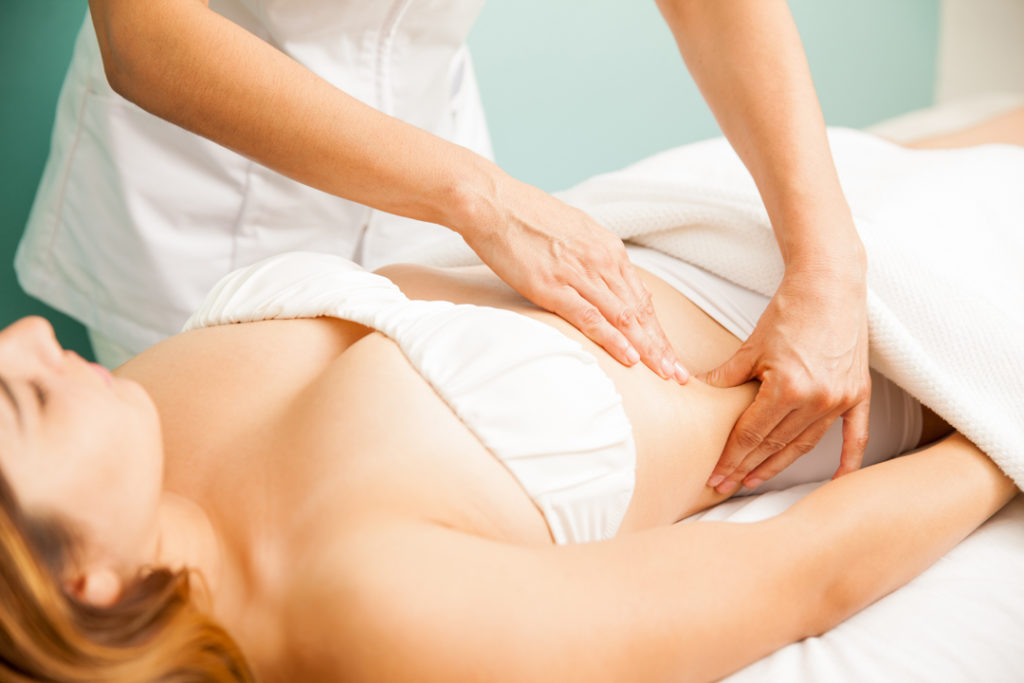
Body contouring is rarely just about looks. For most people, it starts with a very practical frustration. You lose weight, you work out consistently, you eat better than you did five years ago, and certain areas still refuse to change. The lower abdomen hangs on. The flanks stay soft. The upper arms look fuller than you want in photos, even though the scale says you are doing fine.
That disconnect is what brings many patients through the door. They are not chasing perfection. They want their shape to catch up with the effort they have already made.
If you are exploring Body Contouring Farmington Hills options, the real question is not simply which treatment exists. It is which treatment fits your life, your schedule, your tolerance for downtime, and your goals. That is where a lot of articles fall short. They describe devices and procedures in isolation, but they do not help you figure out how those treatments play out in a real week, with work meetings, school pickups, exercise routines, and family obligations.
The best treatment plan is not always the most aggressive one. It is the one you can follow through on, recover from well, and feel good about six months later.
What body contouring actually means
Body contouring is a broad term. In practice, it refers to treatments designed to reshape areas of the body by reducing fat, tightening skin, or both. It is not a substitute for weight loss, and it is not a treatment for obesity. It works best for people who are already close to a stable, sustainable weight and want to target areas that have not responded to diet and exercise.
That distinction matters because expectations shape satisfaction. Someone who is ten pounds from goal weight and wants more definition around the waist is a very different candidate from someone hoping one procedure will dramatically change the whole body. Both deserve thoughtful guidance, but the treatment approach will not be the same.
In a typical aesthetic practice, body contouring falls into three broad categories. The first is non-surgical fat reduction, which uses energy-based technology to damage fat cells so the body can gradually clear them. The second is skin tightening, often useful after weight loss, pregnancy, or age-related laxity. The third is surgical contouring, which may be recommended when there is more significant excess skin or a larger volume of fat to remove.
For many people in Farmington Hills, the appeal of non-surgical options is obvious. They want visible improvement without taking weeks away from normal life. Still, non-surgical does not automatically mean better. It means different. Good treatment planning always starts there.
Lifestyle is not a side note, it is the deciding factor
A body contouring treatment can look excellent on paper and still be the wrong choice if it collides with your daily routine. I have seen this repeatedly. A patient with an intense travel schedule may love the idea of a more dramatic treatment, but if compression garments, tenderness, or activity restrictions are going to derail work for two weeks, it may not be worth it. Another patient may have a quieter month, strong support at home, and a high motivation for more significant change. That person may do very well with something more involved.
This is why consultations should feel less like a sales presentation and more like a planning session. Your provider should ask about your work, workouts, upcoming events, caregiving duties, and how much downtime you can honestly manage. Not theoretical downtime, real downtime. Can you be sore and still function at your desk? Probably. Can you lift a toddler comfortably that same day? Maybe not.
A teacher on summer break, a new parent, a frequent golfer, and a hospital employee working long shifts may all choose different body contouring paths for the same target area. That is not inconsistency. That is good medicine.
The most common treatment goals, and how they differ
Not every concern falls into the same bucket. Stubborn fat behaves differently from loose skin, and muscle separation after pregnancy is not solved by fat reduction alone. Patients often come in saying, “I want my stomach flatter,” but the reason it is not flat can vary a lot.
Some have a true pinchable pocket of fat in the lower abdomen. Some have mild skin laxity that shows when they bend or sit. Some have both. Others are at a healthy weight, but their natural anatomy stores fat at the waist or outer thighs more than they would like.
Arms are another good example. Fullness in the upper arm can improve with fat reduction if the skin has enough elasticity. If the skin is already loose, removing volume without addressing laxity may not create the result the patient imagines. The same issue comes up under the chin, above the knees, along the bra line, and around the lower back.
This is where experienced assessment matters. A skilled provider is not just identifying a treatment area. They are reading tissue quality, skin tone, body proportions, and healing factors that affect the final look.
Non-surgical body contouring for busy schedules
For many patients, non-surgical treatment is the best fit because it asks less of their calendar. Most sessions are performed in the office. Downtime is limited or modest. Results develop gradually over several weeks or months, which can actually be a benefit for people who want improvement without an abrupt change that attracts attention.
Popular non-surgical approaches often use controlled cooling, radiofrequency, ultrasound, or similar energy to target fat or stimulate tightening. The specific technology matters less than the quality of evaluation and the match between treatment and anatomy. A good device used on the wrong candidate produces disappointment. A suitable treatment plan with realistic expectations usually produces satisfaction.
Non-surgical fat reduction tends to work best on smaller, well-defined bulges. Think lower abdomen, love handles, inner or outer thighs, upper arms, or submental fullness under the chin. Patients often notice their clothes fit better before they can point to a huge visual shift in the mirror. That is normal. The body clears treated fat gradually, and final improvement may take two to three months, sometimes longer depending on the method and whether multiple sessions are done.
Skin tightening treatments can be a strong option when the issue is mild laxity rather than large amounts of excess skin. That might mean the lower abdomen after pregnancy, crepey skin above the knees, or mild looseness along the jawline or upper arms. Results tend to be subtle to moderate, not surgical. When patients understand that from the start, they are often very pleased.
The trade-off is patience. Non-surgical treatments rarely offer instant transformation. They reward consistency and realistic goals.
When minimally invasive or surgical contouring makes more sense
There are situations where a less invasive plan simply will not deliver enough change. Significant loose skin after major weight loss is a classic example. Another is abdominal laxity that includes stretched skin and muscle changes after pregnancy. In those cases, trying to “device” your way to a surgical result usually ends in frustration and added cost.
Surgical contouring offers a more dramatic reset. Liposuction can remove larger volumes of fat than non-surgical treatments. Procedures that remove excess skin can reshape the body in ways external energy devices cannot. The recovery is more involved, but so is the result.
This is not a failure of non-surgical options. It is about matching the tool to the problem. Patients usually appreciate honesty here. Most people would rather hear, “This lighter treatment will not get you where you want to be,” than spend months and money on something unlikely to satisfy them.
A common pattern in practice is the patient who says, “I am open to surgery, but only if I really need it.” That is a reasonable stance. Often, the consultation becomes an exercise in deciding whether the desired endpoint is modest refinement or substantial reshaping. Once that is clear, the right path is easier to see.
Recovery is where lifestyle really shows up
A brochure might say “minimal downtime,” but those words can mean different things depending on your life. If you sit at a computer for work, mild swelling and tenderness may be no big deal. If your job requires lifting, constant movement, or wearing fitted uniforms, the same recovery may feel much more disruptive.
With many non-surgical body contouring treatments, you can return to routine activities the same day or the next day. You may have temporary redness, numbness, soreness, or swelling. Some people describe the area as feeling bruised or oddly firm for a period of time. These effects are usually manageable, but they are worth discussing honestly.
With more invasive treatments, you may need real downtime, help at home, restrictions on exercise, and a plan for follow-up care. That does not make those treatments wrong. It just means they should be timed strategically. I often advise patients to think backward from important dates. If there is a wedding, vacation, reunion, or holiday photos coming up, count back several months, not several weeks. Swelling has its own timeline, and the body does not rush because the calendar says it should.
The people who handle recovery best are often the ones who prepare the most carefully. They arrange meals, adjust workouts, shift childcare when possible, and clear social obligations that would make them feel pressured to “bounce back” too quickly.
The consultation should answer more than “what does it cost?”
Cost matters, of course. But value in body contouring is not just the number on a treatment menu. It is the quality of the plan, the likelihood of meaningful improvement, and whether the recommendation reflects your goals rather than a one-size-fits-all package.
A strong consultation usually covers the following:
- What bothers you most, and what improvement would feel worthwhile
- Whether the issue is fat, skin laxity, muscle changes, or a combination
- How much downtime and discomfort you can realistically handle
- What kind of result is likely after one treatment versus a series
- Whether maintenance, weight stability, or lifestyle changes will affect longevity
Those conversations can save people from common mistakes. One of the biggest is treating a secondary concern while ignoring the main one. For example, someone may focus on side fat near the bra line when the real thing bothering them is poor abdominal definition from skin laxity. Another mistake is underestimating how much weight fluctuations affect results. Body contouring can improve shape, but it cannot fully protect that shape from significant gain or loss afterward.
Choosing treatment areas with good judgment
It is tempting to target everything at once. Many patients come in with a mental list that includes abdomen, flanks, thighs, arms, and under the chin. Sometimes combination treatment is appropriate. Other times, it is better to start with the area that will create the biggest visual shift.
The abdomen and flanks usually offer a strong return because changes there affect the way most clothes fit. A modest reduction at the waist can make jeans, dresses, and tailored tops look different very quickly. Arms can also be high impact for patients who avoid sleeveless clothing or feel self-conscious in professional wear. Thighs are a common request, especially when chafing or fit issues are involved.
Under the chin is worth mentioning because small anatomical changes there often read as larger changes to the whole face and profile. People sometimes come in wanting body contouring and realize their most noticeable concern is actually submental fullness, not the torso.
This is where photographs help. Patients often notice different priorities once they see standard before angles. What feels large in the mirror is not always what stands out in photos, and vice versa.
Body contouring after weight loss or pregnancy
Two groups deserve special attention because their needs are often more complex: patients after significant weight loss and patients after pregnancy.
After major weight loss, the challenge is frequently not isolated fat. It is a combination of residual fat pockets and stretched skin that does not retract well. The person may be healthier than they have ever been, but still feel disconnected from their appearance because the skin does not reflect the work they put in. In those cases, body contouring can be tremendously rewarding, but only when the approach is honest about what non-surgical treatment can and cannot do.
After pregnancy, abdominal changes can include fat accumulation, skin looseness, and changes in the abdominal wall. A mother who is back at her pre-pregnancy https://riverthuz205.nexorafield.com/posts/body-contouring-farmington-hills-myths-and-facts-you-should-know weight may still feel that her midsection looks unfamiliar. The right solution depends on whether the issue is mostly superficial contour or something deeper. Timing matters too. The body continues to shift for months postpartum, and treatment planning should respect that.
In both groups, emotional context matters. These patients are often not chasing cosmetic perfection. They are trying to feel at home in their bodies again.
Results look better when they suit the frame
One of the least discussed parts of body contouring is restraint. The best outcomes usually do not scream “procedure.” They look balanced. Waist and hip proportions make sense. The abdomen is flatter but still natural. The arms match the rest of the body. Clothing hangs better, and the patient looks more like themselves, just more comfortable in their shape.
Over-treatment can happen, especially when people focus too narrowly on one area. Taking too much volume from one zone without considering adjacent contours can create imbalance. That is why experienced providers evaluate the body as a whole. A small reduction in two complementary areas often looks better than an aggressive reduction in one.
Patients with athletic builds, petite frames, postmenopausal skin changes, or a history of major weight fluctuations all present different contouring challenges. Cookie-cutter plans tend to fail them. Tailored plans respect anatomy and age-related tissue changes, and that usually shows in the result.
How to tell whether you are a good candidate
You do not need a “perfect” body or a specific clothing size to benefit from body contouring. Good candidates are usually defined less by size and more by stability, skin quality, and expectations. The people who tend to do best are close to a maintainable weight, have localized concerns, and understand that contouring refines the body rather than reinvents it.
A few signs generally point in the right direction:
- Your weight has been relatively stable for several months
- You can identify specific areas that resist diet and exercise
- You are healthy enough for the recommended treatment and recovery
- You have realistic expectations about improvement rather than total transformation
- You are willing to maintain results with steady habits afterward
If several of those do not apply, that does not mean you should not pursue treatment. It may mean the timing is off, the method needs to change, or another step should come first.
Why local expertise matters in Farmington Hills
Searching for Body Contouring Farmington Hills options should involve more than comparing prices or scrolling through social media before-and-after posts. Local expertise matters because follow-up care matters. So does access if you have questions, need a touch-up plan, or are comparing more than one treatment path.
Practices that do a high volume of aesthetic consultations tend to be better at identifying the difference between what a patient asks for and what they actually need. That may sound subtle, but it makes a huge difference. Someone may request “fat freezing” because that is the term they know, while their real issue is loose skin, not fat. Another may assume surgery is the only option when they are actually a strong candidate for a series of non-surgical sessions.
There is also value in seeing a provider who understands the rhythms of your community. In suburban practice settings like Farmington Hills, patients often want results that look polished but not overdone. They need treatments that fit around school calendars, demanding jobs, social events, and active weekends. A provider who sees those patterns every day is better positioned to guide timing and expectations in a way that feels practical.
The smartest plan is the one you will actually complete
A treatment works only if it fits the person receiving it. That may be the most important principle in body contouring. Some patients do best with a gradual non-surgical series because they want almost no downtime and a softer progression. Others are happier choosing one bigger step and getting a more substantial change. Neither approach is inherently superior.
What matters is alignment. Your goals, your anatomy, your recovery capacity, and your schedule all have to point in the same direction.
When that happens, body contouring can be remarkably satisfying. Not because it changes who you are, but because it helps your outer shape better reflect the effort you have already invested. Clothes fit with less compromise. You stop strategizing around certain angles. You stand a little straighter. You stop fixating on the one area that always bothered you.
That is usually the real success story behind body contouring. Not perfection, just relief, confidence, and a result that makes sense for real life.
Aesthetic Plastic Surgery & Laser Center, Michelle Hardaway M.D.
Address: 27920 Orchard Lake Rd, Farmington Hills, MI 48334
Phone number: +12482211957
FAQ About Body Contouring Farmington Hills
What does body contouring actually do?
Body contouring (or body sculpting) eliminates stubborn localized fat, tightens loose, sagging skin, and reshapes your silhouette. It is not a weight-loss tool, but rather a cosmetic procedure used to refine and tone specific trouble spots after major weight loss, pregnancy, or aging.
How much does body contouring usually cost?
The total cost of body contouring usually ranges from $2,000 to $25,000+ depending entirely on whether you choose non-surgical sessions or major surgical procedures.
Because "body contouring" covers everything from simple fat-freezing to comprehensive post-weight-loss surgeries, pricing is heavily categorized by the method used.
What is the best type of body contouring?
Liposuction is a huge topic and worth discussing in more detail, but in terms of body contouring and sculpting, nothing does the job better than liposuction, particularly VASER liposuction.